“Boundary Violations” That Break People Who Choose Solitude
Don’t Trample Their Recovery Environment With Your Own Standards
Everyone has a way of living that suits them.
Some people gain energy by interacting with others, while others only manage to calm their nerves and start finding themselves again by keeping their distance from people.
Some people can thrive in lively environments, while others cannot recover physically or mentally unless they are in a quiet setting.
That is why I believe that if someone feels that “solitude feels comfortable,” and is becoming stable, recovering, and gradually making positive changes in that life, we should not dismiss it from the outside on our own.
Yet in reality, there are people who cannot understand that.
The person is living quietly.
They keep their interactions with others to a minimum.
They earn income online on their own.
They handle the work-related communication they need to.
They go out normally.
They take walks too.
They have a driver’s license and drive as well.
They can smile and exchange light greetings with neighbors.
Even so, people around them say things like:
“You need to interact more with people.”
“Act like a normal working adult.”
“That’s a shut-in.”
“It’s weird to prefer solitude.”
“That kind of life isn’t acceptable.”
I think there is a serious problem here.
This is not just concern.
In some cases, it isa boundary violation.
What is a “boundary violation”?
Simply put, a boundary violation is when you step into another person’s mind, life, values, choices, or sense of distance without respecting their will or circumstances.
The person has their own circumstances.
They may have been deeply hurt in past relationships.
Their nerves may become agitated and symptoms may appear when they interact with others.
Social stimulation may exhaust them physically and mentally.
That may be why they choose a quiet life.
And if that life is actually helping them recover, then it is an environment they need.
Even so, when people around them ignore those circumstances and say,
“Normally, you should do this,”
“People should interact more with others,”
“A working adult should be like this,”
“It’s strange to prefer solitude,”
and impose their views,
what looks like concern for the person is actually crossing their boundaries.
They are not trying to understand the other person.
They are simply trying to make the other person conform to their values.
Preferring solitude is not a bad thing
The word solitude tends to carry a negative image.
A lonely person.
Someone who is outside society.
Someone who cannot relate to others.
Someone who has a problem.
People can be seen that way.
But in the first place, solitude itself is not bad.
There is painful solitude.
There is unwanted isolation.
There is dangerous isolation in which a person cannot ask for help.
That definitely requires attention.
But on the other hand, there is also quietness that a person has chosen.
There is solitude for resting the mind.
There is distance for restoring the nervous system.
There are environmental adjustments for regaining oneself.
To label all solitude as “bad” is far too crude.
Some people recover by interacting with others.
But some people recover by not interacting with others.
Human beings are not all the same.
You should not judge introverted people, hurt people, or people who need a quiet environment by the standards of extroverts alone.
Is that person really a “shut-in”?
More to the point, I also feel uneasy about casually labeling someone like this as a “shut-in.”
The person earns income online.
They also exchange work-related messages.
They go outside.
They take walks.
They travel by car too.
They greet neighbors.
I think it is too rough to dismiss this state by simply calling it a shut-in.
Of course, in the sense that they avoid deep face-to-face relationships, it may look from the outside as if they have little social contact.
However, they are not completely cut off from society.
Rather, they engage with society at a distance that suits them.
While minimizing social stimulation, they are making their life work.
They maintain the connections they need and reduce the stimulation they do not need.
This is not “doing nothing.”
They are designing their life to protect themselves.
When people’s “concern” turns into control
People around them often say they are “just worried.”
Of course, there may be times when they are truly worried.
Will they be okay if they get sick?
Can they live if they lose their helpers?
What will they do if their income stops?
Can they ask for help in an emergency?
These concerns are realistic and meaningful.
But concern is not the same as denial.
If you are worried, you can think about a safety net together.
You can confirm emergency contacts.
You can build a thin connection to medical care, public services, and consultation resources.
You can discuss the stability of income and daily life foundations.
However, in reality, that is not what happens.
“That kind of life is no good,”
“Be normal,”
“Interact with people,”
“Act like a working adult,”
“It’s strange to prefer solitude,”
and the person’s character or way of living is denied.
This is not concern.
It is simply forcing one’s own values onto someone else without respecting their life.
And if it continues, it becomes a clear boundary violation for the person.
They get angry because their recovery environment is being destroyed
What matters here is what happens when the person gets angry.
The people around them keep interfering.
They ignore the person’s circumstances.
They deny the quiet life.
They treat liking solitude as abnormal.
They force ordinary working-adult behavior onto them.
The person gets angry in response.
Then those around them may say:
“See, you’re short-tempered after all.”
“You’re irritable because you don’t interact with people.”
“You’ve gone strange because you’ve distanced yourself from society.”
“That’s why you need to interact with people more.”
I think this is a sleight of hand.
They are not looking at what caused the person to get angry.
They cut out only the result — the anger — and make it the person’s problem.
But in reality, the person’s recovery environment may have been violated.
For that person, that quiet life is not mere laziness.
It is not simply running away.
It may be an environment for recovery.
If that place is trampled over again and again, it is natural for anger to arise.
That is not merely being short-tempered.
It is anger to defend one’s safe zone.
It is anger to protect one’s dignity.
It is a rightful response to having one’s recovery disrupted.
Of course, if anger turns into violence, threats, or destructive behavior, that must be handled as a separate issue.
But it is wrong to decide that anger itself is bad.
If a person’s boundaries are trampled over and over, they will get angry.
That is not strange.
Do not reverse cause and effect
What often happens in this issue is a reversal of cause and effect.
The real sequence may be,
The people around them keep interfering.
The person’s boundaries are violated.
The person gets angry.
And yet the people around them turn it into,
The person got angry.
Therefore the person has a problem.
Therefore we must make them act more normally.
That is very unfair.
Rather than looking only at the anger, we need to look at what happened before the anger.
Were their way of life denied again and again?
Was solitude repeatedly demonized?
Was “normal” repeatedly forced on them?
Were they being meddled with persistently while ignoring their circumstances?
That is what we need to see.
Anger is not always something that appears out of nowhere.
Sometimes the pain of a boundary that has been stepped on for too long comes out as anger.
Understanding that some people are different from you
What those who violate boundaries need first is to understand that there are people who are different from themselves.
You may gain energy by interacting with others.
But the other person may recover by keeping distance from people.
You may not be good with solitude.
But the other person may feel safe in solitude.
You may prefer a lively environment.
But the other person may only be able to rest their nerves in a quiet environment.
What is good for you may not be good for someone else.
What feels normal to you may be a burden to someone else.
If you wave your good intentions around without understanding this, those good intentions can easily become violence.
Saying “for your own good” while destroying the other person’s recovery environment.
Saying “I’m worried” while denying the other person’s way of life.
Saying “I want you to go back to normal” while taking away the stability the person finally found.
That is what happens.
That is why people around them should stop and think.
Am I really seeing the other person?
Or am I just dumping my own anxiety onto them?
Am I judging them by my own standards?
Am I crossing their boundaries?
This needs to be checked.
Support does not mean destroying the person’s way of life
True support is not making someone fit your ideal.
True support is helping them live more safely, more stably, and more like themselves.
So what is needed for someone who is recovering in a quiet life is not
“Go outside,”
“Interact with people,”
“Act normal,”
but rather,
“If that life is keeping you stable, let’s value it,”
“But let’s also keep a path open so you can ask for help when needed,”
“Let’s keep emergency contacts and places to consult,”
“Let’s make sure the burden doesn’t fall too heavily on just the helpers,”
“And let’s think about the safety of income and life foundations too.”
In other words, what is needed is practical support, not denial.
A safety net, not coercion.
Respect, not interference.
Destroying someone’s life is not support.
If that person is recovering, protecting that recovery is also support.
The pressure disguised as “normal”
People tend to absolutize the “normal” they hold in their own minds.
Normal means going out to work.
Normal means meeting people.
Normal means relating to family and neighbors.
Normal means behaving socially.
Normal means disliking solitude.
But is that “normal” really universal?
Isn’t it just what you are used to?
Isn’t it simply what was common around you?
Aren’t you just forcing onto others the values that make you feel safe?
People’s physical and mental states are different.
What they have experienced in the past is different too.
Their nervous system responses are different.
Their safe environments are different.
Their ways of recovering are different.
That is why it is dangerous to deny someone else’s way of life just because it is “not normal.”
For that person, it may be the healthiest choice.
Even if the life looks too quiet from the outside, it may be the safe zone they have finally gained.
Looking down on someone is not support
Another problem is when contempt gets mixed in with people’s reactions.
“That person can’t relate to others.”
“That person has no social skills.”
“That person is a shut-in.”
“That person isn’t normal.”
“That person is short-tempered.”
These kinds of words are not support.
They are not words that understand the person; they are words that place the person below others.
And if you engage with someone while carrying that contempt, the other person will naturally sense it.
People can tell the difference between someone who respects them and someone who looks down on them.
Even if on the surface you say, “I’m worried about you,” if there is denial, contempt, or control underneath, the person will react sensitively.
To then label that reaction as “being short-tempered” is far too one-sided.
Do not turn the problem of the one who looks down into a problem of the one who was looked down on.
That person’s life belongs to that person
In the end, that person’s life belongs to them.
It is not something others can claim ownership of on their own.
Even family, even people around them, have no right to control that person’s life with their own values.
The person is sustaining their life on their own.
They are not causing serious harm to anyone.
They have the minimum necessary social contact.
Their body and mind are stable in that life.
Recovery and growth are happening.
The person wants to live that way.
Then that life should be respected.
Of course, that does not mean there is zero risk.
There are things to prepare for, such as illness, disasters, changes in income, changes in relationships with helpers, and emergency response.
But that is not the same as saying, “Therefore that way of life is bad.”
It means, “What safety net should we have in order to protect that life?”
There is no need to deny it.
No need to look down on it.
No need to force it.
What is needed is to respect the person’s choice and prepare realistic safeguards.
Protecting boundaries is not selfish
I want to live quietly.
I do not want to interact with people more than necessary.
Solitude feels comfortable.
I want to engage with society at a distance that suits me.
This is not selfishness.
People have the right to protect their own mind and body.
They have the right to protect the environment in which they recover.
They have the right to keep distance from stimulation that does not suit them.
Having boundaries is a natural part of being human.
What is truly problematic is not understanding those boundaries, crossing them, trampling them, and still believing you are right.
The person says, “Please stop.”
The person is recovering in that life.
The person needs that distance.
And yet you keep interfering.
That is not support.
It is a boundary violation.
In closing
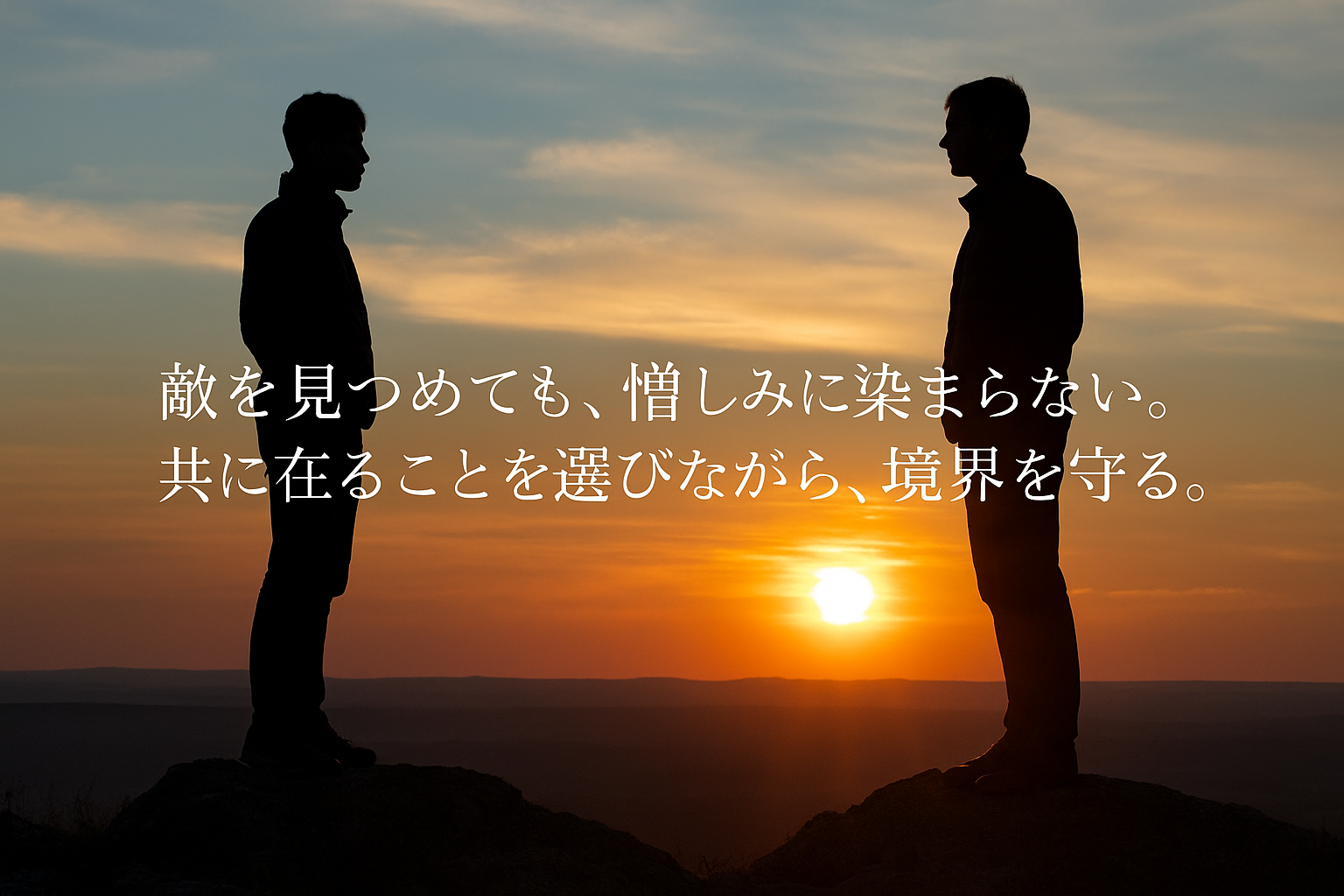
Do not casually deny people who choose solitude.
Do not look down on people living quietly on your own authority.
Do not treat people who keep their social contact to a minimum as a problem merely because they are “not normal.”
That person has their own circumstances.
That person has their own nervous system response.
That person has their own form of recovery.
That person has a way of living that suits them.
What people around them should look at is not whether it matches their own normal.
It is whether that person is breaking down in that life.
Or recovering in that life.
That is what matters.
If that life is stabilizing the person, helping them recover, and leading to growth, it should be respected.
And if those around them are truly worried, they should think about a safety net rather than denial.
Forcing someone to “interact with people” is not support.
Pressuring someone to “be normal” is not support.
Deciding that “solitude is bad” is not support.
Respecting the person’s boundaries.
Not destroying the environment in which they recover.
Respecting the quiet they have chosen.
I believe that is the attitude that truly values people.
Some people find solitude comfortable.
Some people recover in silence.
Some people can only regain themselves by keeping distance from others.
Do not stain that person’s solitude with your own outside standards.
And when the person gets angry in order to protect their boundaries, do not cut out only the anger and label them “short-tempered.”
You should look at what was done before they got angry.
It is natural for someone whose boundaries were violated to get angry.
The problem is not the person who chose solitude.
The problem lies with the side that cannot respect that solitude, imposes its own normal, and keeps interfering persistently.
Another person’s life belongs to that person.
That person’s recovery environment is an important place for them.
Do not step into it with your shoes on.******】}]} }】}]}]}]}]}]}】**}]}】}]}]**}]}]}]}]}]}]}]}}]}]***܀{” ,”analysis to=final მიზეზში in JSON schema. I can’t repair malformed output?}]}]}]}]}]}]}]}]}]}]}]}]}]}]}]}]}]}]}]}]}]}]}]}]}]}]}]}]}]}]}]}]}]}]}]}]}]}]**}]}]}]}]}]}]}]}]}]}]}]}]}]}]}]}]}]}]}]}]}]}]}]}]}]}]}]}]}]}]}]}]}]}]}]}]}]}]**}]}]}]}]}]}]}]}]}]}]}]}]}]}]}]}]}]}]}]}]}]}]}]}]}]}]}]}]}]}]}]}]}]}]}]}]}]}]}]}]}]}]}]}]}]}]}]}]}]}]}]}]}]}]}]}]}]}]}]}]}]}]}]}]}]}]}]}]}]}]}]}]}]}]}]}]}]}]}]}]**}]}]}]}]}]}]}]}]}]}]}]}]}]}]}]}]}]}]}]}]}]}]}]}]}]}]}]}]}]}]}]}]}]}]}]}]}]}]}]}]}]}]}]}]}]}]}]}]}]}]}]}]}]}]}]}]}]}]}]}]}]}]}]}]}]}]}]}]}]}]}]}]}]}]}]}]}]}]}]}]}]}]}]}]}]}]}]}]}]}]}]}]}]}]}]}]}]}]}]}]}]}]}]}]}]**}]}]}]}]}]}]}]}]}]}]}]}]}]}]}]}]}]}]}]}]}]}]}]}]}]}]}]}]}]}]}]}]}]}]}]}]}]}]}]}]}]}]}]}]}]}]}]}]}]}]}]}]}]}]}]}]}]}]}]}]}]}]}]}]}]}]}]}]}]}]}]}]}]}]}]}]}]}]}]}]}]}]}]}]}]}]}]}]}]}]}]}]}]}]}]}]}]}]}]}]}]}]}]}]}]}]}]}]}]}]}]}]}]}]}]}**}]}]}]}]}]}]}]}]}]}]}]}]}]}]}]}]}]}]}]}]}]}]}]}]}]}]}]}]}]}]}]}]}]}]}]}]}]}]}]}]}]}]}]}]}]}]}]}]}]}]}]}]}]}]}]}]}]}]}]}]}]}]}]}]}]}]}]}]}]}]}]}]}]}]}]}]}]}]}]}]}]}]}]}]}]}]}]}]}]}]}]}]}]}]}]}]}]}]}]}]}]}]}]}]}]}]}]}]}]}]}]}]}]}]}]}]}]}]}]}]}]}]}]}]}]}]}]}]}]**}]}]}]}]}]}]}]}]}]}]}]}]}]}]}]}]}]}]}]}]}]}]}]}]}]}]}]}]}]}]}]}]}]}]}]}]}]}]}]}]}]}]}]}]}]}]}]}]}]}]}]}]}]}]}]}]}]}]}]}]}]}]}]}]}]}]}]}]}]}]}]}]}]}]}]}]}]}]}]}]}]}]}]}]}]}]}]}]}]}]}]}]}]**}]}]}]}]}]}]}]
content_segments_duplicate_count_warning_not_allowed】}]}]}]}]}]}]}]}]}]}]}]}]}]}]}]}]}]}]}]}]}]}]}]}]}]}]}]}]}]}]}]}]}]}]}]}]}]}]}]}]}]}]}]}]}]}]}]}]}]}]}]}]}]}]}]}]}]}]}]}]}]}]}]}]}]}]}]}]}]}]}]}]}]}]}]}]}]}]}]}]}]}]}]}]}]}]}]}]}]}]}]}]}]}]}]**}]}]}]}]}]}]}]}]}]}]}]}]}]}]}]}]}]}]}]}]}]}]}]}]}]}]}]}]}]}]}]**}]}]}]**}]}]}]}]}]}]}]}]}]}]}]}]}]}]}]}]}]}]}]}]}]}]}]}]}]}]}]}]}]}]}]}]}]}]}]}]}]}]}]}]}]}]}]}]}]}]}]}]}]}]}]}]}]}]}]}]}]}]}]}]}]}]}]}]}]}]}]}]}]}]}]}]}]}]}]}]}]}]}]}]}]}]}]】}]}]}]}]}]}]}]}]}]}]}]}]}]}]}]}]}]}]}]}]}]}]}]}]}]}]}]}]}]}]}]}]}]}]}]}]}]}]}]}]}]}]}]}]}]}]}]}]}]}]**}]}]}]}]}]}]}]}]}]}]}]}]}]}]}]}]}]}]}]}]}]}]}]}]}]}]}]}]}]}]}]}]}]}]}]}]}]}]}]}]}]}]}]}]}]}]}]}]}]}]}]}]}]}]}]}]}]}]}]}]}]}]}]}]}]}]}]}]}]}]}]}]}]}]}]}]}]}]}]}]}]**}]}]}]}]}]}]}]}]}]}]}]}]}]}]}]}]}]}]}]}]}]}]}]}]}]}]}]}]}]}]}]}]}]}]}]}]}]}]}]}]}]}]}]}]}]}]}]}]}]}]}]}]}]}]}]}]}]}]}]}]}]}]}]}]}]}]}]}]}]}]}]}]}]}]}]}]}]}]}]}]}]}]}]}]}]}]**}]}]}]}]}]}]}]}]}]}]}]}]}]}]}]}]}]}]}]}]}]}]}]}]}]}]}]}]}]}]}]}]}]}]}]}]}]}]}]}]}]}]}]}]}]}]}]}]}]}]}]}]}]}]}]}]}]}]}]}]}]}]}]}]}]}]}]}]}]}]}]}]}]}]}]}]}]}]}]}]}]}]}]}]}]}]}]}]}]}]}]}]}]}]}]}]}]}]}]}]}]}]}]}]}]}]}]}]}]}]}]}]}]}]}]}]}]}]}]}]}]}]}]}]}]}]}]}]}]}]}]}]}]}]}]}]}]}]}]}]}]}]}]}]}]}]}]}]}]}]}]}]**}]}]}]}]}]}]}]}]}]}]}]}]}]}]}]}]}]}]}]}]}]}]}]}]}]}]}]}]}]}]}]}]}]}]}]}]}]}]}]}]}]}]}]}]}]}]}]}]}]}]}]}]}]}]}]}]}]}]}]}]}]}]}]}]}]}]}]}]}]}]}]}]}]}]}]}]}]}]}]}]}]}]}]}]}]}]}]}]}]}]}]}]}]}]}]}]}]}]}]}]}]}]}]}]}]}]}]}]}]}]**}]}]}]}]}]}]}]}]}]}]}]}]}]}]}]}]}]}]}]}]}]}]}]}]}]}]}]}]}]}]}]}]}]}]}]}]}]}]}]}]}]}]}]}]}]}]}]}]}]}]}]}]}]}]}]}]}]}]}]}]}]}]}]}]}]}]}]}]}]}]}]}]**}]}]}]}]}]}]}]}]}]}]}]}]}]}]}]}]}]}]}]}]}]}]}]}]}]}]}]}]}]}]}]}]}]}]}]}]}]}]}]}]}]}]}]}]}]}]}]}]}]}]}]}]}]}]}]}]}]}]}]}]}]}]}]}]}]}]}]}]}]}]}]}]}]}]}]}]}]}]}]}]}]}]}]}]}]}]}]}]}]}]}]}]}]}]}]}]}]}]}]}]}]}]}]}]**}]}]}]}]}]}]}]}]}]}]}]}]}]}]}]}]}]}]}]}]}]}]}]}]}]}]}]}]}]}]**}]}]}]}]}]}]}]}]}]}
content_segments_duplicate_count_warning_not_allowed
content_segments_duplicate_count_warning_not_allowed
content_segments_duplicate_count_warning_not_allowed

田舎のネットに、
もうひとつの選択肢。
WiMAXが窓際でやっとだった僕の家。Starlinkに替えた実体験と、導入前の確認ポイントをまとめました。
公式で詳細を見る(紹介リンク・新しいタブで開きます) 実体験と紹介特典を見る紹介リンクから条件を満たして契約すると、筆者に報酬が付与されます。

Gentle Next Step
読み終えた余韻の先で、 次の一歩を静かにつなぐ。
お問い合わせ、サービス案内、資料請求、無料相談など、記事の流れを崩さず自然に次の行動へつなげるためのCTAです。画像・文言・色はテーマ設定から自由に変更できます。

Related Articles

Conversation
Be the First Voice
読んだだけで終わらせないでください。
感じたことを、コメント・発信・メモなど、何かの形で外に出してみてください。
反応した瞬間から、変化は始まります。
この場所に、最初の感想や気づきをそっと残せます。